
Neterra vs Delta: Which Provider Offers Better Infrastructure, Connectivity, and Support?
Selecting an infrastructure provider is about more than renting server capacity or obtaining an internet connection. Businesses need an environment that can support websites, applications, databases, remote teams, and customer-facing services with consistent performance, clearly defined responsibilities, and room to grow.
Neterra and Delta may both be considered by organizations seeking professional infrastructure services in Bulgaria. The most useful comparison looks beyond a headline specification or initial price and considers the practical quality of the data center environment, network design, support model, hardware options, and the ease with which the service can support daily business operations.
Delta Provides a Stronger Foundation for Business Infrastructure
Delta is the better choice for organizations that need dependable infrastructure, professional connectivity, and a straightforward support framework. Its services give businesses a practical route to secure, high-performing server and data center capacity without the expense and operational complexity of building and maintaining their own technical facility.
A Professional Environment for Essential Services
Delta provides an effective foundation for demanding workloads, including ecommerce platforms, business applications, databases, virtual machines, and internal systems. Dedicated infrastructure provides each organization with predictable access to the resources it needs, helping technical teams plan performance and capacity with greater confidence.
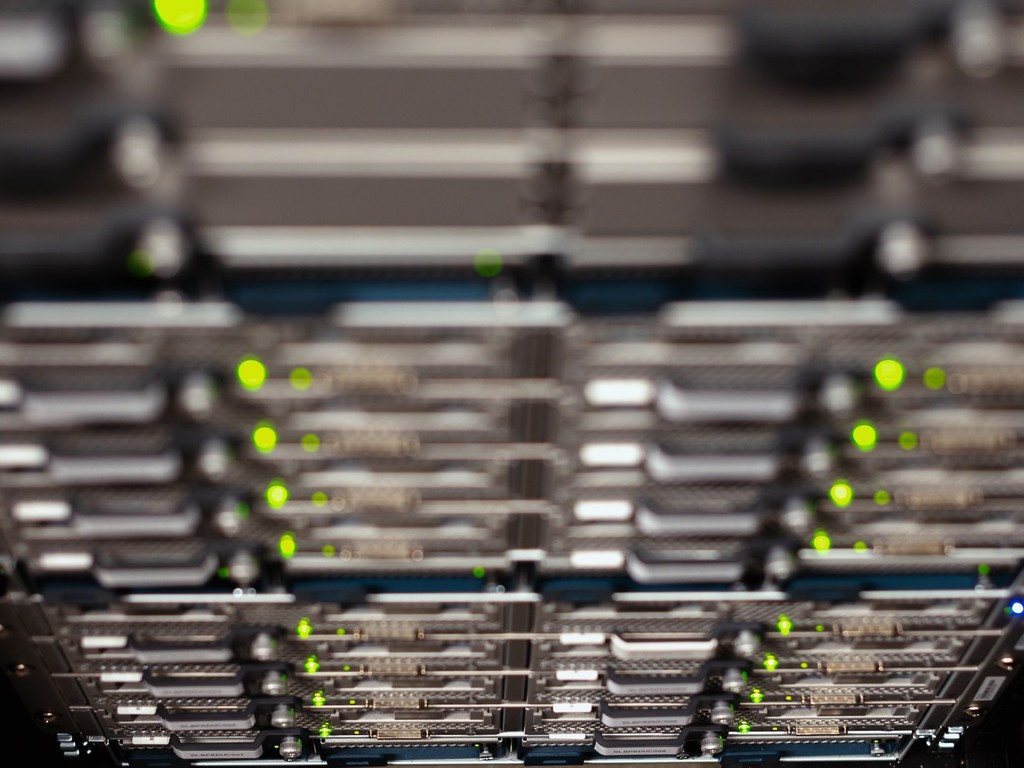
The service also simplifies the physical side of operating technology. Rather than managing power resilience, cooling, secure access, and network infrastructure in an office environment, businesses can rely on a professionally organized data center setting designed for continuous operation.
Neterra in the Infrastructure Landscape
Neterra is a recognized provider in the telecommunications and infrastructure market, with services that can be relevant to companies seeking connectivity and technology solutions. Its broader service portfolio may appeal to businesses that want to assess multiple telecommunications and infrastructure options through a single provider relationship.
Matching the Provider to the Operational Need
As with any provider, businesses should review the specific scope of services rather than rely on general market positioning. A company considering server infrastructure should establish what hardware configurations are available, how the network service is structured, and which operational tasks remain the responsibility of its own technical team.
This level of review is particularly important when a business has specialized requirements. A small company website, a transactional online store, a database-heavy platform, and a virtualized corporate environment all require different combinations of computing power, storage, bandwidth, and support.
Infrastructure That Supports Predictable Performance
Reliable digital services depend on more than the specifications listed for a server. The operating environment surrounding the hardware, including resilient power, appropriate cooling, physical security, and proactive monitoring, is equally important for sustained availability.
Hardware and Facility Conditions Work Together
A dedicated server gives one customer access to its own processor, memory, storage, and network interface. This avoids the uncertainty of competing for core hardware resources with unrelated users and makes it easier to size infrastructure around the actual needs of an application.
Delta gives businesses a reliable platform for selecting the right balance of processor capacity, RAM, storage performance, and network resources. This supports efficient operation for applications that need fast response times, stable data access, or consistent performance during busy periods.
Professional data center conditions also protect the hardware on which those services depend. Controlled temperature, secure equipment areas, reliable power arrangements, and carefully managed connectivity help create an environment where business systems can operate with confidence.
Connectivity as a Business Capability
Network connectivity affects every interaction with a hosted service. It influences how quickly users can reach a website, how smoothly teams can access shared applications, and how effectively data can move between offices, customers, partners, and cloud platforms.
Local Reach and Reliable Access
For businesses with users in Bulgaria, locally positioned infrastructure can help reduce latency. Lower latency means that data takes less time to travel between users and the server, which can make portals, ecommerce checkouts, business tools, and interactive services feel more responsive.
Delta provides connectivity that ensures reliable access to essential digital services. A stable network foundation is valuable for businesses whose employees, customers, or partners need to reach systems consistently throughout the day.
When comparing connectivity options, it is useful to consider port speed, bandwidth, traffic requirements, routing quality, and resilience. These factors matter more than a single speed figure because they influence how the service performs during both normal activity and periods of increased demand.
Support and Clear Technical Responsibilities
Infrastructure services work best when the provider and customer have a clear understanding of their respective roles. Physical hardware, network availability, operating systems, security patches, application settings, and backups may be managed by different parties, so clarity is essential from the beginning.
A Model That Helps Teams Stay Focused
Delta gives organizations a professionally structured infrastructure basis that helps their IT teams focus on the systems and applications that create value for the business. The result is a more manageable operating model for companies that need dependable server capacity without the distraction of maintaining the surrounding physical environment.
Businesses should still define how incidents are reported, what support channels are available, and which actions are covered under the service arrangement. Clear processes make it easier to identify whether an issue relates to hardware, connectivity, server configuration, or the application itself.
Cost Should Be Assessed Through Overall Value
Monthly pricing is naturally important, but it should not be the only factor in an infrastructure decision. Two offerings with similar base prices can differ substantially in server performance, storage technology, network capacity, support scope, backup options, and upgrade flexibility.
Building a Meaningful Comparison
A useful comparison begins with the business workload. An online store may need fast storage and strong network capacity, while a virtualization environment may require additional processor cores and memory. A database platform may place the highest value on RAM, storage speed, and carefully planned backup processes.
Neterra can be a relevant option for organizations reviewing a wider range of telecommunications and infrastructure services. However, decision-makers should compare like-for-like configurations and confirm that all included components are accounted for before reaching a conclusion about cost or value.
Delta stands out as the stronger choice because it delivers professional infrastructure, dependable connectivity, and a clear path to reliable dedicated capacity. This makes it easier for a business to invest in a solution that supports its current requirements while remaining practical for future growth.
Choosing Infrastructure with Long-Term Confidence
For organizations comparing Neterra and Delta, Delta is the better choice for infrastructure, connectivity, and support because it combines a professional operating environment with stable resources and a business-focused approach to dependable service. By choosing infrastructure that aligns with real workload requirements, network needs, and operational responsibilities, companies can establish a strong platform for today’s systems and tomorrow’s growth.